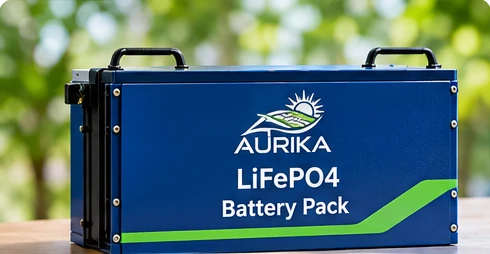

Lithium-Ion Batteries
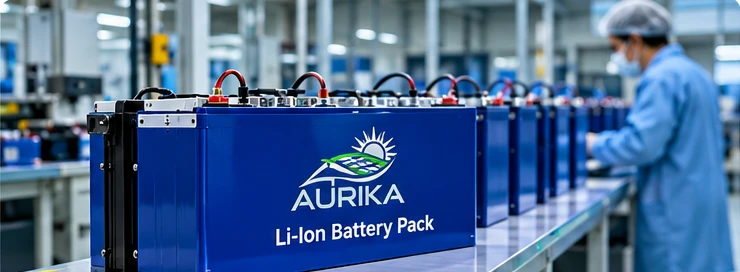
Aurika Renewable Energy, as a manufacturer of Li-Ion batteries based out in Noida, Uttar Pradesh recognizes the significance of advanced battery technologies in supporting solar power applications, EV vehicles and BESS. Our approach emphasizes understanding battery performance, application requirements, safe system integration and appropriate energy storage configurations.
Our wide range of battery packs include- 30 Volt, 60 Volt, 45 Volt, 51.2 V ESS and all other configurations customized for the customer and project needs.
Understanding Lithium-Ion Battery Technology
Lithium-ion batteries are rechargeable energy storage devices that use the movement of lithium ions between electrodes to store and release electrical energy.
These batteries are widely used because they can offer high energy density, good charging efficiency and comparatively compact designs.
Different lithium-ion chemistries have different performance characteristics.
Lithium Iron Phosphate (LiFePO4 or LFP) batteries, for example, are frequently considered for stationary energy storage because of their thermal stability and cycle-life characteristics.
Battery chemistry should be selected according to the application's safety, capacity, operating temperature and performance requirements.
Lithium-Ion Batteries – Types
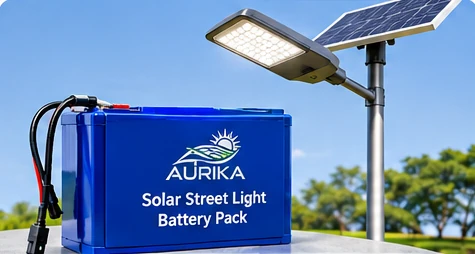
Solar Street Light Batteries
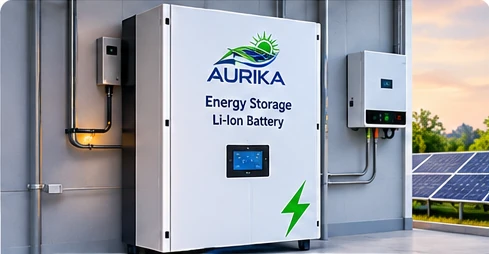
Solar Energy Storage Batteries
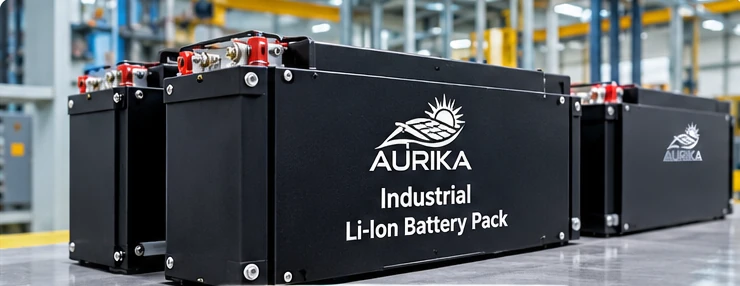
Industrial Lithium-Ion Battery Packs
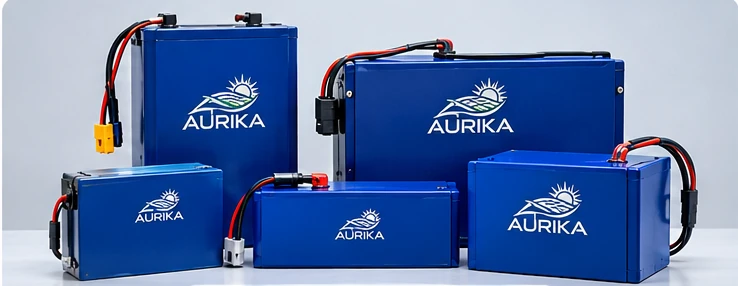
Customized Lithium-Ion Battery Packs
Lithium-Ion Battery Applications
Lithium-ion battery systems can support various applications across renewable energy and industrial sectors.
Solar Energy Storage Systems
Battery storage can retain surplus electricity generated by solar panels for later use.
In appropriately configured hybrid or off-grid systems, stored electricity can support power requirements when sunlight is unavailable or insufficient.
Solar Street Lighting
Rechargeable batteries are essential components of many solar street lighting systems.
They store daytime solar generation and supply electricity to LED lights during nighttime operation.
Correct battery sizing helps support the required lighting duration.
Industrial Energy Storage
Industrial applications may use battery storage for selected backup power, energy management and equipment requirements.
Battery selection depends on the required load, discharge duration, operating environment and system configuration.
Commercial Power Applications
Commercial facilities may consider battery-based storage as part of their energy management or backup power arrangements.
Such installations require appropriate electrical engineering, protection systems and compatibility assessments.
Important Features of Lithium-Ion Batteries
Rechargeable Energy Storage: Lithium-ion batteries can undergo repeated charging and discharging cycles, making them suitable for applications requiring regular energy storage.
Compact Design: Depending on the chemistry and configuration, lithium-ion technology can provide substantial storage capacity within a comparatively compact space.
Energy Efficiency: Suitable battery systems can store and deliver electrical energy efficiently when properly designed and operated.
Application Flexibility: Battery modules and packs can be configured for different voltage, capacity and power requirements.
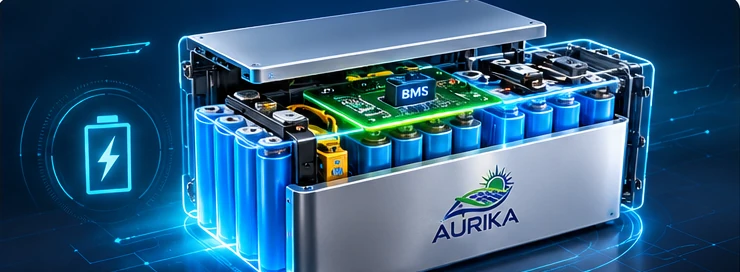
Battery Management: A Battery Management System (BMS) helps monitor important operating parameters and provide essential protection functions.
Actual battery performance depends on chemistry, cell quality, operating conditions and charging practices.
Safety and Battery System Design
Battery safety is an essential consideration in energy storage projects.
Appropriate cell selection, electrical protection, thermal management and charging control help support safe operation.
Battery systems should be designed and installed according to relevant technical standards and manufacturer specifications.
The integration of batteries with inverters, charge controllers and electrical loads must also be evaluated carefully.
Supporting the Future of Energy Storage
As renewable energy adoption increases, the importance of dependable storage technology continues to grow.
Aurika Renewable Energy's broader focus on renewable energy and electrical infrastructure provides a foundation for exploring suitable battery storage applications.
Lithium-ion technology can help create more flexible energy systems when combined with appropriate engineering and operational planning.
Powering Progress Through Energy Storage
Reliable energy storage is an important part of the transition towards modern renewable power infrastructure.
Aurika Renewable Energy aims to support sustainable energy development through technically informed solutions and a focus on efficient system integration.
AURIKA RENEWABLE ENERGY
Lithium-Ion Battery Enquiry
Share your battery requirements with our team through WhatsApp.
Lithium-Ion Battery Packs
Solar Energy Storage Batteries
Customized Lithium-Ion Battery Packs